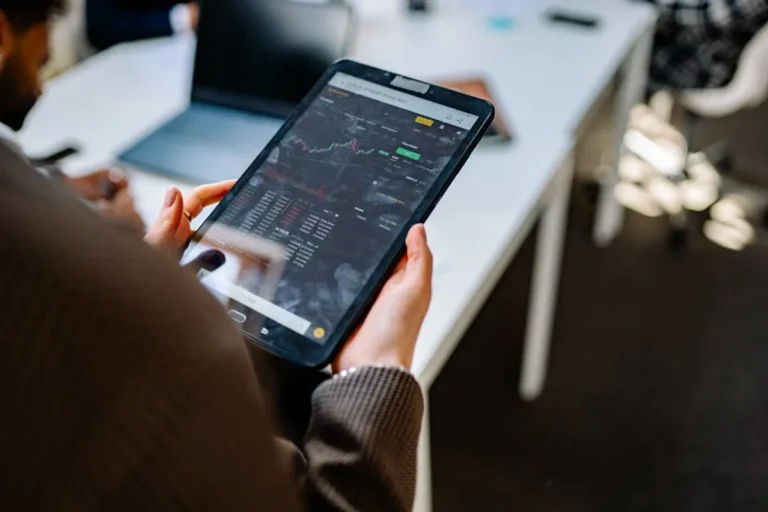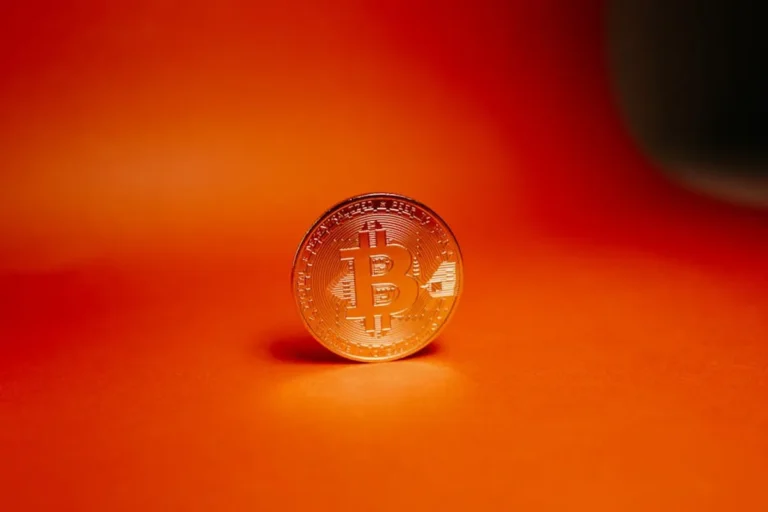

Blockchain gaming represents a fundamental shift in how digital assets are owned, traded, and valued within interactive entertainment. Unlike traditional games where players license digital items from publishers, blockchain-integrated titles leverage distributed ledger technology to grant verifiable ownership of in-game assets directly to players. This paradigm introduces new economic models and engagement opportunities, attracting attention from developers, investors, and marketers seeking to understand its commercial ramifications and potential for audience interaction.
Core Principles of Blockchain Gaming
The operational framework of blockchain gaming relies on several key technological integrations that differentiate it from conventional gaming experiences.
Non-Fungible Tokens (NFTs) for Digital Ownership
NFTs are unique digital identifiers recorded on a blockchain, verifying ownership of a specific asset. In gaming, these assets can range from characters, skins, and weapons to virtual land and in-game currency. The critical distinction is that an NFT confers provable scarcity and transferability. Players can buy, sell, or trade these assets on open marketplaces, independent of the game publisher's direct control. This creates a player-driven economy where digital items hold real-world value, influenced by supply, demand, and utility within the game ecosystem.
Cryptocurrency Integration for In-Game Economies
Blockchain games often incorporate cryptocurrencies as their native economic medium. These tokens facilitate transactions within the game, such as purchasing NFTs, paying for services, or earning rewards. The value of these cryptocurrencies can fluctuate based on market dynamics, linking the in-game economy to broader financial markets. This integration allows for transparent, immutable transaction records and can incentivize participation through economic rewards.
Decentralization and Player Governance
Some blockchain games aim for decentralization, where control gradually shifts from a central developer to the player community. This often involves decentralized autonomous organizations (DAOs), where token holders can vote on critical game development decisions, economic policies, or treasury management. This model seeks to align player incentives with the long-term health and direction of the game, fostering a more engaged and invested community.
Economic Models and Commercial Opportunities
The integration of blockchain technology enables novel economic models that redefine player-publisher relationships and open new commercial avenues.
Play-to-Earn (P2E) Mechanics
P2E models allow players to earn tangible value through gameplay. This can involve:
- Earning cryptocurrencies or NFTs by completing quests, winning battles, or contributing to the game ecosystem.
- Staking in-game assets or tokens to earn rewards.
- Participating in liquidity pools for in-game tokens.
The commercial appeal for players lies in the potential to monetize their time and skill, transforming gameplay into a source of income or asset accumulation. For publishers, P2E can drive user acquisition and retention, building highly engaged communities around shared economic incentives.
Asset Ownership and Trading
The ability to truly own and trade in-game assets as NFTs creates secondary markets that extend beyond the game itself. These marketplaces allow for price discovery based on utility, rarity, and aesthetic appeal. This generates new revenue streams for creators (via royalties on secondary sales) and offers players liquidity for their digital investments. Brands can also leverage this by creating limited-edition NFT assets for promotional campaigns or collaborations, tapping into a new form of digital merchandise.
Pro Tip: When evaluating blockchain gaming projects, focus on the sustainability of their economic models. Projects with clear utility for their tokens and NFTs, coupled with mechanisms to balance supply and demand, tend to offer more stable long-term value propositions compared to those solely reliant on speculative growth.
Technological Underpinnings
The functionality of blockchain gaming relies on specific technological components.
Blockchain Networks
Various blockchain networks support gaming applications, each with different characteristics regarding transaction speed, cost, and security. Networks optimized for high transaction throughput and lower fees are often preferred for gaming to ensure a smooth user experience. Smart contracts, self-executing agreements coded directly onto the blockchain, automate game logic, enforce rules, and manage asset transfers without intermediaries, ensuring transparency and trust.
Challenges and Considerations
Despite its potential, blockchain gaming faces several hurdles that impact its widespread adoption and commercial viability.
Scalability and Transaction Costs
Many blockchain networks, particularly early iterations, struggle with scalability, leading to slow transaction speeds and high "gas fees" (transaction costs) during periods of high network congestion. This can hinder the seamless, real-time interactions expected in gaming. Solutions like layer-2 scaling protocols and alternative blockchain architectures aim to address these limitations.
Regulatory Uncertainty
The evolving regulatory landscape surrounding cryptocurrencies and NFTs introduces uncertainty for developers and investors. Classifying in-game tokens as securities or commodities, and determining appropriate tax treatments, remains a complex issue that can impact business models and operational strategies.
User Experience and Security
Onboarding new players can be challenging due to the technical complexities of setting up cryptocurrency wallets, understanding seed phrases, and managing transaction fees. Security remains a paramount concern, with risks including smart contract vulnerabilities, phishing attacks, and the potential for loss of private keys, which can lead to irreversible loss of digital assets.
Navigating the Blockchain Gaming Landscape
For those looking to engage with blockchain gaming, understanding its nuances is critical. Developers must prioritize robust economic design and intuitive user interfaces to bridge the gap for mainstream players. Marketers can explore community-building strategies centered around digital ownership and P2E incentives. Investors and publishers should conduct thorough due diligence on project fundamentals, team experience, and long-term viability beyond initial speculative interest.
Frequently Asked Questions
What is the primary difference between traditional and blockchain gaming?
The core difference lies in asset ownership. Traditional games offer players licenses to use in-game items, while blockchain games grant verifiable, transferable ownership of digital assets (often as NFTs) directly to players, enabling secondary markets and real-world value.
Are all blockchain games "play-to-earn"?
No, not all blockchain games are exclusively "play-to-earn." While P2E is a prominent model, blockchain technology can also be used to enhance other aspects like verifiable scarcity, transparent game mechanics, or decentralized governance without a primary focus on earning potential.
What are NFTs used for in blockchain games?
NFTs in blockchain games represent unique digital assets such as characters, skins, weapons, virtual land, or collectibles. They enable provable ownership, rarity, and the ability to trade these assets on external marketplaces, giving them real-world economic value.
Is blockchain gaming secure?
Blockchain technology itself offers inherent security through decentralization and cryptography. However, the overall security of a blockchain game depends on factors like the robustness of its smart contracts, the security practices of its developers, and the player's own diligence in protecting their digital wallets and private keys.