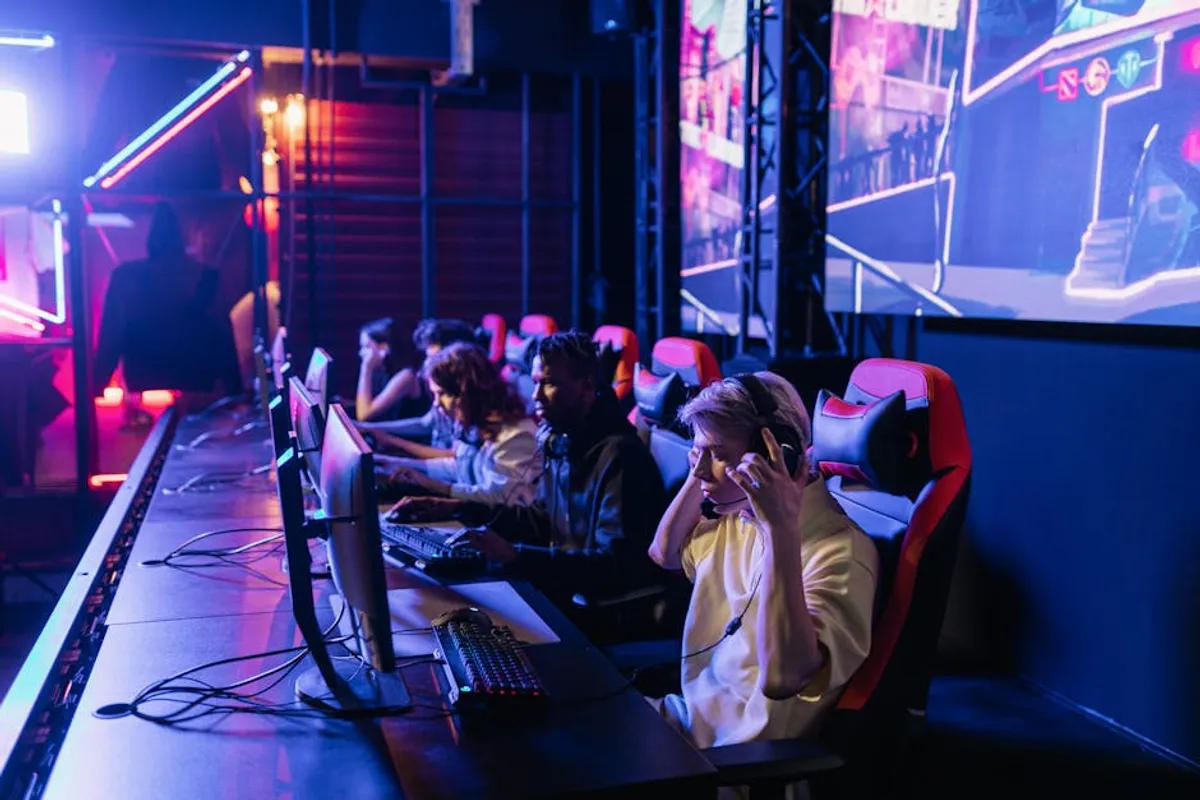
Gaming NFTs represent a fundamental shift in how digital assets are perceived and exchanged within video games. Unlike traditional in-game items, which are typically controlled by game developers and stored on centralized servers, gaming NFTs introduce verifiable digital ownership to players. This means that items like unique skins, virtual land, characters, or weapons are minted on a blockchain, making them unique, scarce, and transferable outside the direct control of the game publisher. For players, this opens avenues for true asset ownership, potential resale value, and participation in new economic models. For developers, it offers new monetization strategies, enhanced community engagement through shared ownership, and the ability to foster player-driven economies. This opens up new possibilities for players who want to understand the process of creating NFTs themselves.
What Gaming NFTs Are and How They Function
Gaming NFTs are unique digital tokens, each representing a specific in-game asset. These tokens are stored on a blockchain, a decentralized and immutable ledger. Each NFT has a unique identifier and metadata that proves its authenticity, scarcity, and ownership. When a player acquires a gaming NFT, they gain direct ownership of that digital asset, recorded on the blockchain. This differs significantly from purchasing an item in a traditional game, where the player typically only buys a license to use the item within that game's ecosystem, without true ownership or the ability to freely trade it on external markets.
The functionality of gaming NFTs extends beyond simple collection. They can be integrated into game mechanics in various ways:
- Unique In-Game Items: Representing skins, weapons, armor, or consumables with verifiable provenance and scarcity.
- Virtual Land: Digital plots within metaverses or game worlds that can be bought, sold, and developed by players.
- Characters/Avatars: Unique player characters with distinct attributes, appearances, or abilities.
- Access Passes: NFTs that grant access to exclusive game content, events, or beta tests.
The blockchain records every transaction involving these NFTs, providing a transparent history of ownership and transfers. This transparency builds trust and enables robust secondary markets.
Underlying Technology: Blockchain and Smart Contracts
The core technology enabling gaming NFTs is the blockchain. Various blockchains support NFTs, with Ethereum being a prominent example, utilizing standards like ERC-721 and ERC-1155 for unique and semi-fungible tokens, respectively. Other blockchains like Polygon, Solana, and Immutable X also host significant gaming NFT ecosystems, often chosen for their lower transaction fees and higher throughput compared to Ethereum's mainnet.
Smart contracts are self-executing contracts with the terms of the agreement directly written into code. For gaming NFTs, smart contracts govern aspects such as:
- Minting: The creation of new NFTs according to predefined rules (e.g., total supply, attributes).
- Ownership Transfer: The secure and verifiable transfer of an NFT from one wallet to another.
- Royalty Enforcement: Automatically allocating a percentage of secondary market sales back to the original creator or game developer.
- Game Logic Integration: Defining how an NFT interacts with the game environment, such as how a character NFT gains experience or how a weapon NFT affects combat statistics.
This programmatic control ensures that the rules governing the NFTs are enforced automatically and transparently, without the need for intermediaries.
Economic Models and Player Ownership
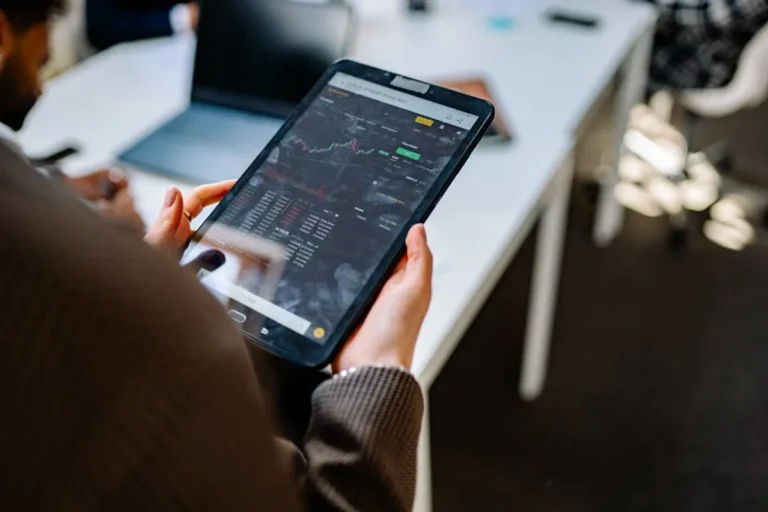
Gaming NFTs introduce new economic paradigms, primarily centered around player ownership and value creation. The "Play-to-Earn" (P2E) model, for instance, allows players to earn cryptocurrency or NFTs through gameplay, which can then be sold or traded on external marketplaces. This transforms gaming from a pure consumption activity into a potential income-generating one. This shift is also evident in tracking the trading volume of NFTs on secondary markets.
Key economic aspects include:
True Digital Ownership: Players genuinely own their in-game assets, rather than merely licensing them. This means they can hold, sell, or transfer these assets without requiring permission from the game developer.
Secondary Markets: NFTs enable robust secondary marketplaces where players can buy and sell their digital assets. This creates liquidity and allows players to realize value from their time and investment in a game.
Interoperability Potential: While still nascent, the vision for NFTs includes interoperability, where an asset acquired in one game could potentially be used or recognized in another. This expands the utility and value proposition of digital assets beyond a single game ecosystem.
Revenue Sharing: Game developers can implement royalty fees on secondary market sales of their NFTs, creating a continuous revenue stream beyond initial sales. This incentivizes developers to maintain and improve their games, as the success of the secondary market directly benefits them.
Pro Tip: When evaluating gaming NFT projects, prioritize those with clear utility within a functioning game, a transparent development roadmap, and an active, engaged community. Speculative projects built solely on hype often carry higher risk due to a lack of intrinsic value or long-term vision.
Commercial Implications for Developers and Publishers
For game developers and publishers, integrating NFTs presents both opportunities and strategic considerations. It opens new revenue streams, allows for innovative game design, and can foster deeper community engagement.
New Revenue Streams: Initial sales of NFTs (primary market) provide direct funding. Royalty fees on secondary market transactions create ongoing income. This model can reduce reliance on traditional in-game purchases and advertising.
Enhanced Community Engagement: Giving players true ownership and a stake in the game's economy can lead to a more dedicated and invested player base. Community-driven initiatives, like DAO governance for game development decisions, become possible.
Innovative Game Design: NFTs enable unique game mechanics centered around verifiable scarcity, player-driven economies, and persistent digital identities. This can lead to new genres and forms of interactive entertainment.
Challenges and Considerations:
- Market Volatility: The value of NFTs can fluctuate significantly, impacting player sentiment and project stability.
- Regulatory Uncertainty: The legal and regulatory landscape for NFTs and digital assets is still evolving, posing compliance challenges.
- Technical Complexity: Integrating blockchain technology requires specialized expertise and can add layers of complexity to game development.
- Environmental Concerns: The energy consumption of certain blockchains (e.g., Proof-of-Work) has raised environmental concerns, though many newer blockchains and scaling solutions address this.
Strategic Outlook and Future Development
Gaming NFTs are still in an early phase of adoption, but their potential impact on the gaming industry is significant. The shift towards verifiable digital ownership and player-centric economies challenges traditional game development and monetization models. As the technology matures, and user experience improves, these assets are likely to become more seamlessly integrated into mainstream gaming.
The future development of gaming NFTs will likely focus on:
Improved User Experience: Simplifying wallet management, transaction processes, and on-boarding for non-crypto native gamers.
Scalability Solutions: Further development of layer-2 solutions and more efficient blockchains to handle high transaction volumes at low costs.
Interoperability Standards: Creating frameworks that allow NFTs to have utility across multiple games and platforms, increasing their overall value proposition.
Regulatory Clarity: As governments establish clearer guidelines, the operational environment for developers and players will become more stable, potentially attracting larger traditional gaming companies.
Practical Considerations for Engagement
For individuals and businesses considering engagement with gaming NFTs, a practical approach is essential. Understand the specific game mechanics, the underlying blockchain technology, and the economic model of any project before committing resources. Research the development team, community sentiment, and the long-term vision. The commercial utility of gaming NFTs is rooted in their ability to offer verifiable ownership and new forms of digital interaction, rather than purely speculative value.
Frequently Asked Questions
Q: How do gaming NFTs differ from traditional in-game purchases?
A: Traditional in-game purchases typically grant a license to use an item within a specific game, without true ownership. Gaming NFTs provide verifiable digital ownership recorded on a blockchain, allowing players to freely trade, sell, or transfer their assets outside the game's immediate ecosystem.
Q: Can gaming NFTs be used across different games?
A: While the concept of interoperability is a long-term goal, most gaming NFTs are currently specific to the game they originate from. However, some projects are exploring cross-game utility, and the development of common standards could enable broader interoperability in the future.
Q: What are the risks associated with gaming NFTs?
A: Risks include market volatility, regulatory uncertainty, potential for scams or poorly designed projects, and the technical complexities of managing digital wallets and transactions. It's crucial to conduct thorough research before investing in any gaming NFT.
Q: How do game developers benefit from using NFTs?
A: Developers can generate new revenue streams through initial NFT sales and ongoing royalties from secondary market transactions. NFTs also foster stronger community engagement, enable innovative game design, and can attract new players interested in digital asset ownership.