
For new players exploring the landscape of online gaming, live dealer games present a distinct proposition: bridging the gap between the convenience of digital platforms and the authentic atmosphere of a physical casino. Unlike traditional online casino games that rely on random number generators (RNGs) to determine outcomes, live dealer experiences feature real human dealers, physical cards, roulette wheels, and dice, all streamed in real time. Understanding the mechanics of these games is crucial for a smooth entry, allowing players to appreciate the interactive elements, manage expectations regarding game pace, and engage confidently with the live environment. This guide outlines how these dynamic games operate, focusing on the practical aspects new participants need to grasp before placing their first bet.
The Operational Framework of Live Dealer Games
Live dealer games function through a sophisticated integration of video streaming technology, physical casino equipment, and a user-friendly digital interface. This setup ensures transparency and interactivity, differentiating them significantly from their RNG-driven counterparts.
Real-Time Interaction and Human Dealers
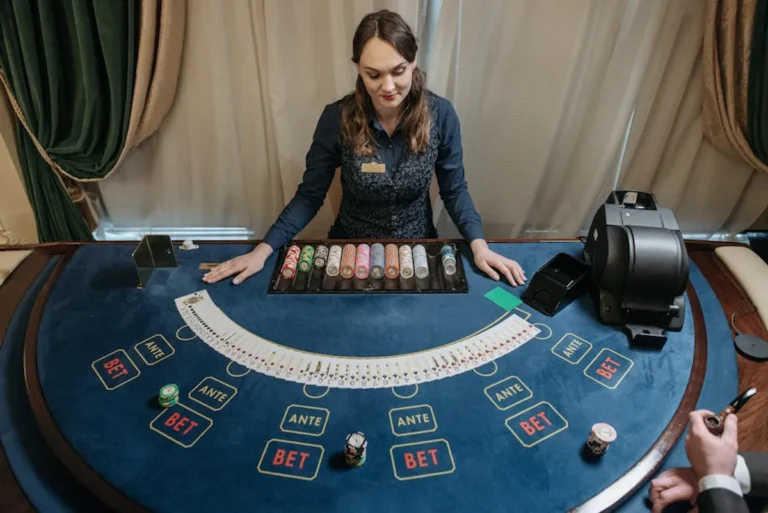
At the core of the live dealer experience is the human element. Professional dealers manage the game, just as they would in a land-based casino. They shuffle cards, spin roulette wheels, and interact with players through a chat function. This interaction is key for new players seeking a more social and verifiable gaming environment. The dealer's actions are captured by multiple high-definition cameras, providing various angles of the game table and equipment, ensuring that players can observe every detail of the game's progression.
The Technology Behind the Stream
The seamless operation of live dealer games relies on robust streaming technology. Dedicated studios, often designed to mimic high-end casino floors, house the game tables and broadcasting equipment. Optical Character Recognition (OCR) technology plays a vital role here; it translates the physical actions of the dealer—such as the value of a dealt card or the number the roulette ball lands on—into digital data. This data is then displayed on the player's screen, allowing the software to register bets, calculate payouts, and update game statistics in real time. This integration ensures that the physical game's outcome is accurately reflected in the digital interface.
Game Selection and Variants
The range of live dealer games available is extensive, typically including casino staples. New players will find familiar options, often with specific variants:
- Live Blackjack: Features standard rules with options for side bets and sometimes "Bet Behind" functionality, allowing players to wager on another player's hand if seats are full.
- Live Roulette: Offers European, American, and French variants, often with immersive camera angles and statistical displays.
- Live Baccarat: Includes Punto Banco and other popular versions, with clear roadmaps showing past results.
- Live Poker: Games like Casino Hold'em or Three Card Poker, where players compete against the house rather than each other.
- Game Shows: Interactive, wheel-of-fortune style games like Dream Catcher or Monopoly Live, designed for high engagement and simple betting.
Each game type provides a distinct experience, but all share the common thread of a live human dealer facilitating play.
Getting Started: A Step-by-Step Guide for New Players
Embarking on live dealer play is straightforward, but understanding the sequence of actions can enhance the initial experience.
Account Setup and Funding
Before accessing live dealer tables, new players must register an account with an online casino and complete any necessary verification steps. This typically involves providing personal details and confirming identity. Once registered, funds need to be deposited into the account using one of the available payment methods, such as credit/debit cards, e-wallets, or bank transfers. A funded account is essential, as live dealer games are generally not available in free-play or demo modes due to the operational costs involved.
Understanding the Interface
Upon joining a live dealer table, players are presented with a dual interface. The primary view is the live video stream of the dealer and the game table. Overlaying this, or positioned alongside it, is the digital betting interface. This interface displays available chip denominations, betting areas specific to the game (e.g., numbers on a roulette layout, blackjack betting boxes), and buttons for actions like "Deal," "Hit," "Stand," or "Spin." A chat window is also usually present, allowing communication with the dealer and sometimes other players.
Placing Bets and Game Flow
The game flow in live dealer settings is time-sensitive. A timer indicates the betting window during which players must place their wagers by clicking on chip denominations and then on the desired betting areas on the digital layout. Once the betting window closes, the dealer proceeds with the game (e.g., dealing cards, spinning the wheel). Outcomes are determined physically, translated by OCR, and then displayed on the player's screen, with winnings automatically credited to the player's account. This cycle repeats for each round.
Key Considerations Before Playing
New players should be aware of specific factors that influence the live dealer experience.
Internet Connection Stability
A stable and relatively fast internet connection is paramount. Live streams are data-intensive, and a poor connection can lead to buffering, dropped feeds, or delays, disrupting gameplay and potentially causing missed betting opportunities or disconnections mid-round. A minimum download speed of 5-10 Mbps is generally recommended for optimal performance.
Etiquette and Communication
While online, players are interacting with real people. Maintaining respectful communication in the chat is important. Dealers are there to facilitate the game and answer game-related questions, but personal conversations or abusive language are inappropriate and can lead to chat privileges being revoked. Understanding basic casino etiquette, even in a virtual setting, enhances the experience for everyone.
Payouts and Game Speed
Payouts in live dealer games are typically processed automatically and instantly credited to the player's account after each round concludes. Game speed is dictated by the dealer and the natural pace of a physical game, which is generally slower than RNG-based online games. This slower pace allows for more thoughtful decision-making but requires patience from players accustomed to rapid-fire digital play.
Pro Tip: Before committing real money, observe a few rounds of your chosen live dealer game without placing bets. This allows you to familiarize yourself with the interface, the dealer's pace, and the betting windows without financial risk. Many platforms allow this "spectator mode" for new players.
Navigating Your First Live Dealer Session
Engaging with live dealer games offers a unique blend of online convenience and casino authenticity. For new players, the key to a successful experience lies in understanding the interplay between the live stream and the digital interface, recognizing the role of the human dealer, and appreciating the real-time, yet often slower, pace of play. Start with lower stakes to become comfortable with the environment, and always prioritize a stable internet connection to avoid interruptions. By approaching these games with a clear understanding of their operational mechanics, new participants can confidently enjoy the immersive and interactive world of live dealer gaming.
Frequently Asked Questions
Are live dealer games fair?
Yes, live dealer games are considered fair because they use physical equipment (cards, wheels, dice) operated by human dealers, just like in a traditional casino. The outcomes are not generated by software algorithms, and the entire process is streamed live, allowing players to witness every action.
Can I play live dealer games on my mobile device?
Most reputable online casinos offer fully optimized live dealer games for mobile devices, including smartphones and tablets. These games adapt to smaller screens, maintaining functionality and stream quality, though a strong Wi-Fi or data connection is still crucial.
Is there a dress code for playing live dealer games?
No, there is no dress code for players. You are playing from your own location, so you can wear whatever you prefer. The dealers, however, are professionally dressed as they would be in a land-based casino.
What happens if my internet connection drops during a game?
If your connection drops, most live dealer platforms have systems in place to handle this. If you had placed a bet, the game round typically continues, and the outcome is recorded. Any winnings will be credited to your account. For specific actions like "Hit" or "Stand" in blackjack, the system might default to a pre-set rule (e.g., "Stand" on 17+), but policies vary by casino.