Tracking NFT collections offers a critical advantage for marketers, publishers, and site owners operating in the digital asset space. It moves beyond speculative interest, providing actionable data to understand market dynamics, identify emerging trends, and assess the true engagement and value proposition of various projects. Effective tracking allows for informed content creation, targeted marketing campaigns, and strategic decision-making, whether the goal is to analyze market sentiment, monitor competitor projects, or identify opportunities for partnership or content development.
Establishing Core Tracking Metrics
Before selecting tools or methods, define the key performance indicators (KPIs) relevant to your objectives. NFT collection tracking typically involves a blend of quantitative and qualitative data points.
- Floor Price: The lowest price for an NFT within a collection. This indicates baseline demand and perceived value. Fluctuations signal market sentiment shifts.
- Volume (24h, 7d, 30d): The total value of transactions for a collection over a specified period. High volume suggests liquidity and active trading interest.
- Number of Holders: The count of unique wallet addresses owning at least one NFT from the collection. A growing holder count can indicate broadening adoption and decentralization, while concentration in a few wallets might signal risk.
- Rarity Distribution: Understanding the distribution of traits and their impact on individual NFT value. Tools that rank NFTs by rarity are essential for granular analysis.
- Sales History: Detailed records of past sales, including price, date, and buyer/seller. This provides historical context and helps identify price trends and anomalies.
- Social Sentiment & Engagement: Mentions, discussions, and community activity on platforms like X (formerly Twitter), Discord, and Reddit. This qualitative data reveals community health and potential FUD (fear, uncertainty, doubt) or FOMO (fear of missing out).
- Listing Percentage: The proportion of the total collection currently listed for sale. A high listing percentage can indicate a lack of confidence or a desire to exit positions.
Methods for Data Acquisition
Tracking NFT collections requires accessing data from various sources, each with its own advantages and limitations.
Direct Blockchain Exploration
Blockchain explorers provide raw, immutable transaction data. For collections on Ethereum, Etherscan is a primary resource. For Polygon, Polygonscan serves a similar function. These explorers allow direct inspection of smart contract activity, token transfers, and wallet balances.
Best for: Verifying on-chain activity, understanding contract interactions, and deep-diving into specific transaction histories. It requires technical familiarity with blockchain addresses and transaction hashes.
Aggregated Marketplace Data
Many NFT marketplaces offer basic analytics and aggregated data for collections listed on their platforms. These dashboards typically display floor price, volume, and sometimes holder counts. While convenient, this data is often limited to the marketplace's own ecosystem and may not provide a holistic view across all trading venues.
Best for: Quick overviews of popular collections and initial market sentiment, especially for collections primarily traded on a single platform.
Specialized Analytics Dashboards
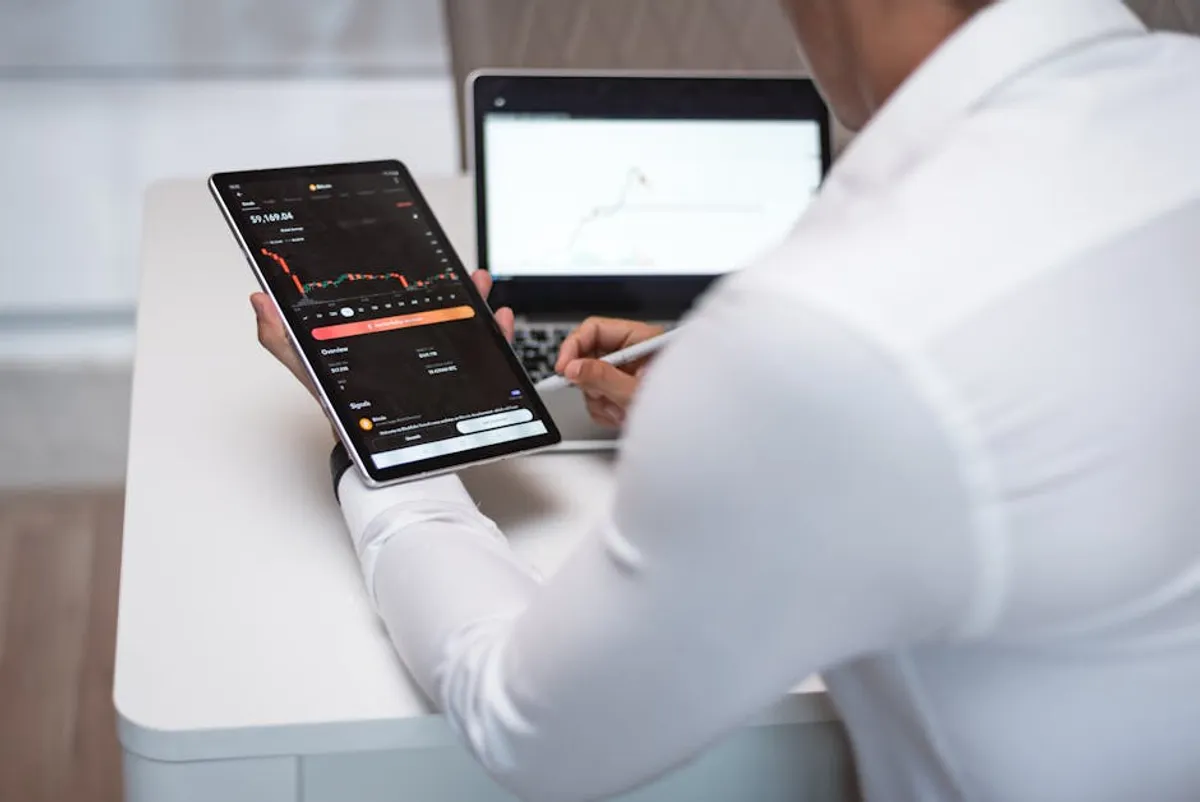
A growing number of platforms are dedicated to providing comprehensive NFT analytics. These services often pull data from multiple blockchains and marketplaces, offering advanced features like rarity ranking, whale wallet tracking, and aggregated social sentiment. They typically present data through user-friendly interfaces with customizable charts and alerts.
Best for: In-depth market analysis, trend identification, and monitoring a portfolio of collections. These platforms often come with subscription fees, justified by the breadth and depth of data provided.
Social Listening and Community Monitoring
Tracking the pulse of an NFT collection extends beyond on-chain metrics to include community sentiment. Social listening tools monitor mentions and discussions across social media, forums, and community platforms. Integrating with Discord and Telegram channels provides direct insight into community health, developer updates, and potential issues.
Best for: Gauging qualitative sentiment, identifying influencers, detecting potential FUD/FOMO, and understanding community engagement levels.
API Integration for Custom Solutions
For organizations requiring highly specific or large-scale data analysis, integrating directly with blockchain data APIs or third-party NFT data APIs is often the most robust solution. This allows for custom dashboards, automated reporting, and integration with internal business intelligence systems.
Best for: Developers, data scientists, and agencies building proprietary tracking systems or integrating NFT data into existing analytical frameworks. Requires significant technical expertise.
Pro Tip: Data latency and accuracy vary significantly across tracking methods. Blockchain explorers provide real-time, immutable data but require manual interpretation. Aggregators and analytics platforms offer convenience but may have slight delays or rely on proprietary data processing. Always cross-reference critical data points with multiple sources, especially when making time-sensitive decisions.
Selecting Your Tracking Approach
The optimal method for tracking NFT collections depends on your specific needs, technical capabilities, and budget.
- For basic monitoring: A combination of marketplace dashboards and occasional blockchain explorer checks can suffice.
- For in-depth market research and trend spotting: Specialized analytics platforms offer the most efficient access to aggregated and processed data.
- For community sentiment and qualitative insights: Dedicated social listening tools and direct community engagement are indispensable.
- For large-scale, automated, or highly customized analysis: API integration is the most powerful, albeit resource-intensive, option.
Consider the frequency of data updates required. Some metrics, like floor price, benefit from real-time monitoring, while others, such as holder distribution, can be tracked less frequently.
Integrating Tracking into Your Strategy
Effective NFT collection tracking is not merely about accumulating data; it's about integrating that data into a broader digital asset strategy. Use the insights gained to:
- Inform Content Strategy: Identify trending collections, popular themes, and community questions to create relevant articles, guides, or social media content.
- Optimize Marketing Campaigns: Target specific communities, understand their pain points, and tailor messaging based on real-time market sentiment.
- Identify Partnership Opportunities: Pinpoint collections with strong growth, engaged communities, or complementary values for potential collaborations.
- Assess Market Risk: Monitor volatility, listing percentages, and whale movements to understand potential market downturns or opportunities.
Regularly review your tracking metrics and adjust your approach as the NFT market evolves. New metrics, platforms, and data sources emerge constantly, requiring continuous adaptation to maintain an informed perspective.
Frequently Asked Questions
What is the most critical metric to track for an NFT collection?
While all metrics offer value, the floor price and 24-hour trading volume are often considered the most immediate indicators of a collection's current market demand and liquidity.
How often should I track an NFT collection?
The frequency depends on your objectives. For active trading or rapid trend identification, real-time or hourly tracking is beneficial. For long-term market analysis or content planning, daily or weekly reviews may be sufficient.
Can I track NFTs across different blockchains?
Yes, but it often requires using specialized analytics platforms that aggregate data from multiple chains (e.g., Ethereum, Polygon, Solana). Direct blockchain explorers are typically chain-specific.
What are the risks of relying solely on one data source?
Relying on a single source can lead to an incomplete or skewed view of the market. Data discrepancies, latency, or platform-specific biases can misrepresent a collection's true status, leading to misinformed decisions.