
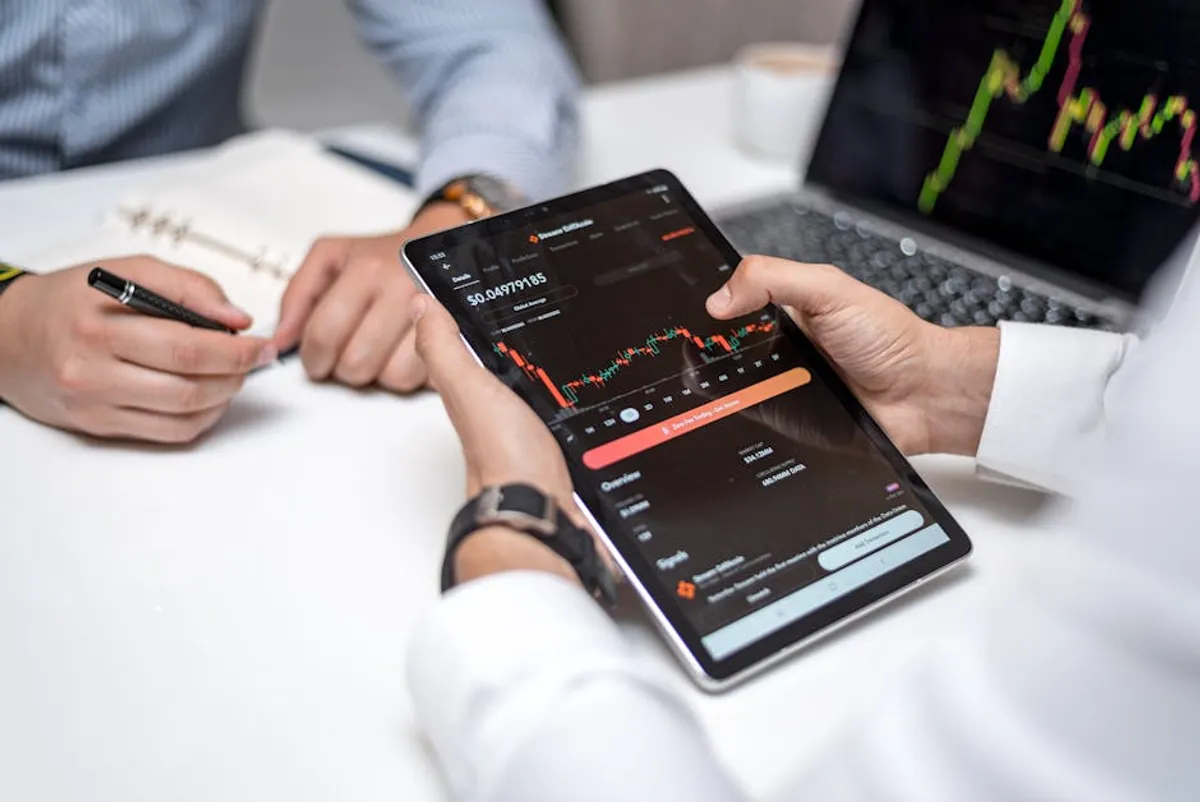
Understanding NFT data is fundamental for anyone engaging with the non-fungible token market, whether as an investor, creator, or developer. The sheer volume and variety of information available can be overwhelming, but grasping its core components allows for informed decision-making, mitigates risk, and uncovers opportunities. This guide demystifies NFT data, explaining what it is, where it comes from, and how to apply it practically to navigate the rapidly evolving digital asset landscape.
What Constitutes NFT Data?
NFT data encompasses all information associated with a non-fungible token, from its creation and ownership history to its market performance and underlying digital asset details. This data exists in two primary forms: on-chain and off-chain.
On-Chain vs. Off-Chain Data
On-chain data refers to information immutably recorded on the blockchain itself. This includes the smart contract code, transaction records (minting, transfers, sales), ownership history, and the unique token ID. Because it resides on a decentralized ledger, on-chain data is transparent, verifiable, and resistant to alteration. It provides the definitive record of an NFT's lifecycle.
Off-chain data, conversely, refers to information that is not stored directly on the blockchain but is linked to the NFT's smart contract. The most common example is the NFT's metadata, which typically includes the digital asset's name, description, image URL, and attributes (traits). Storing this data off-chain, often on decentralized storage networks like IPFS or Arweave, is practical due to blockchain storage costs and limitations. However, it introduces a layer of reliance on external services for the asset's visual or descriptive integrity.
Key Data Points for Analysis
Effective NFT market analysis hinges on tracking specific metrics. These data points provide a quantifiable basis for evaluating an NFT collection's health, potential, and community engagement.
- Floor Price: The lowest price at which an NFT from a specific collection is currently listed for sale. It serves as a primary indicator of a collection's minimum perceived value and liquidity.
- Trading Volume: The total value of sales (in cryptocurrency) for an NFT collection over a defined period (e.g., 24 hours, 7 days). High volume often indicates strong market interest and liquidity, while declining volume can signal waning demand.
- Holder Count: The number of unique wallet addresses that own at least one NFT from a collection. A growing holder count can suggest increasing adoption and decentralization of ownership, contributing to a robust community.
- Listing Count: The total number of NFTs from a collection currently available for sale on marketplaces. A high listing count relative to the total supply can indicate selling pressure or a lack of demand.
- Rarity Score: A numerical value assigned to an individual NFT based on the uniqueness of its traits compared to others in the same collection. Higher rarity scores often correlate with higher perceived value, though market demand ultimately dictates price.
- Royalty Fees: The percentage of secondary sales that are automatically paid back to the original creator or project team. Understanding these fees is crucial for both buyers (who pay them) and creators (who earn them).
- Wash Trading Indicators: Patterns of suspicious transactions, such as an NFT being repeatedly bought and sold between the same few wallets at inflated prices. Identifying these patterns helps discern genuine market activity from artificial volume.
Sources of NFT Data
NFT data is accessible through various channels, each offering different levels of detail and aggregation. Blockchain explorers are foundational, providing raw, immutable transaction data directly from the network. Platforms like Etherscan for Ethereum or Solscan for Solana allow users to inspect individual transactions, contract interactions, and wallet holdings.
NFT marketplaces (e.g., OpenSea, LooksRare, Magic Eden) offer aggregated data specific to the collections they host. They typically display floor price, volume, and listing information, often with historical charts. Many marketplaces also provide APIs, allowing developers to programmatically access this data for custom analytics tools or applications.
Beyond individual marketplaces, data aggregators specialize in compiling and presenting NFT data from multiple sources in a user-friendly format. These platforms often provide advanced metrics like rarity rankings, holder distribution, and real-time market feeds, which are invaluable for deeper analysis.
Pro Tip: Always cross-reference data from multiple sources when making significant decisions. While blockchain data is immutable, off-chain metadata links can change, and aggregated market data may have varying update frequencies or methodologies. Be particularly cautious of collections with high volume but low unique holder counts, as this can be a red flag for potential wash trading.
Practical Applications of NFT Data
The utility of NFT data extends across various roles within the ecosystem, empowering different stakeholders with actionable insights.
For Investors and Collectors
Investors leverage data to identify potential opportunities and manage risk. Monitoring floor price and volume trends helps in spotting collections gaining momentum or those experiencing a downturn. Rarity analysis guides purchasing decisions for high-value assets, while tracking holder distribution can indicate community strength and potential for long-term growth. Observing listing counts helps gauge market supply and potential selling pressure.
For Creators and Project Teams
NFT project creators use data to understand their community, optimize pricing strategies, and gauge market reception. Analyzing sales volume and holder demographics can inform future drops, marketing campaigns, and utility development. Royalty data provides insight into secondary market earnings, which can be a significant revenue stream for projects.
For Marketers and Analysts
Marketers utilize NFT data to identify target audiences, track campaign performance, and understand market sentiment. By analyzing transaction data, they can pinpoint influential holders or communities to engage with. Data on sales velocity and price fluctuations helps in assessing the effectiveness of promotional efforts.
Navigating Challenges in NFT Data Analysis
Despite its utility, working with NFT data presents several challenges. The market's rapid evolution means data can become outdated quickly. Data fragmentation across various blockchains and marketplaces necessitates robust aggregation methods. Furthermore, the presence of wash trading and other manipulative practices requires careful scrutiny to distinguish genuine market activity from artificial signals. Technical proficiency is often required to access and interpret raw blockchain data, making specialized tools and platforms essential for many users.
Leveraging NFT Data for Informed Decisions
Developing a data-driven approach is critical for success in the NFT space. By consistently monitoring key metrics, understanding data sources, and recognizing potential pitfalls like wash trading, participants can make more strategic decisions. The ability to interpret market trends, assess collection health, and identify value propositions based on concrete data provides a significant advantage. As the NFT ecosystem matures, the sophistication of data analytics will continue to grow, making foundational knowledge even more important for beginners.
Frequently Asked Questions
What is the difference between on-chain and off-chain NFT data?
On-chain data is stored directly on the blockchain, including ownership and transaction history. Off-chain data, like an NFT's image and description, is typically stored elsewhere (e.g., IPFS) and linked via the smart contract.
How can I identify wash trading using NFT data?
Look for suspicious patterns such as an NFT being repeatedly sold between the same few wallets, often at rapidly increasing prices, without genuine market interest from unique buyers.
Why is rarity important in NFT data analysis?
Rarity often correlates with perceived value and demand. NFTs with unique or scarce traits typically command higher prices, making rarity a key factor for collectors and investors.
What are the primary sources for NFT data?
Primary sources include blockchain explorers (like Etherscan), NFT marketplace APIs, and specialized data aggregator platforms that compile information from various sources.