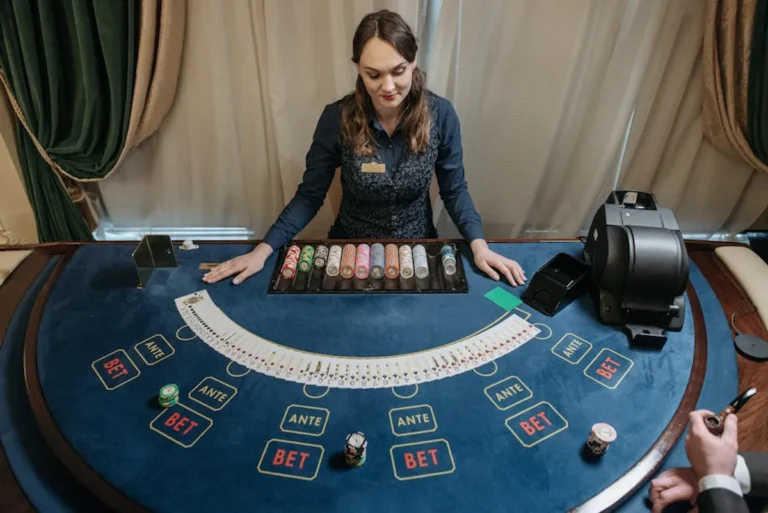

Players often face a choice between the immediate engagement of slot machines and the interactive environment of live casino tables. The primary differentiator for many is how quickly they can grasp the game's mechanics and feel confident in their play. This decision isn't just about preference; it's about evaluating the inherent complexity, required strategic input, and the overall learning curve each category presents.
Understanding Slot Game Mechanics
Slot games are fundamentally designed for rapid engagement with minimal prerequisites. Their core operation revolves around spinning reels, aiming to land matching symbols across predefined paylines. The outcome of each spin is determined by a Random Number Generator (RNG), ensuring every result is independent and unpredictable. This simplicity means a new player can typically begin playing within seconds, requiring no prior knowledge of complex rules or betting strategies.
Core Gameplay and Simplicity
The immediate appeal of slots stems from their straightforward "press and play" model. Players select a bet amount, initiate a spin, and observe the outcome. Paytables, accessible within each game, clearly outline symbol values and winning combinations, making the core concept transparent. There’s no dealer to interact with, no fellow players to consider, and no time pressure, allowing for a relaxed, self-paced experience. This direct interaction with the game interface, coupled with instant feedback, contributes significantly to their perceived ease of understanding.
Layers of Complexity in Slots
While the basic premise is simple, modern slot games incorporate various features that add layers of complexity. These include:
- Bonus Rounds: Often triggered by specific symbol combinations, these can involve free spins, pick-and-win games, or interactive mini-games, each with its own rules.
- Wilds and Scatters: Special symbols that can substitute for others (wilds) or trigger features regardless of payline position (scatters).
- Progressive Jackpots: A small portion of each bet contributes to a growing jackpot, which can be won randomly or through specific game mechanics. Understanding the conditions for winning these requires consulting the game's information section.
- Volatility and RTP: Concepts like Return to Player (RTP) percentage and volatility (how often and how much a game pays out) are crucial for informed play but are not immediately obvious from gameplay. They require players to consult game specifications or external resources.
These elements, while enriching the gameplay, do introduce variables that require a deeper dive to fully comprehend their impact on potential outcomes and overall player experience. However, a player can still enjoy the game without mastering these nuances.
Decoding Live Casino Game Dynamics
Live casino games, in contrast, aim to replicate the social and strategic environment of a physical casino. They involve real human dealers, physical cards, wheels, or dice, streamed in real-time to the player. The experience is inherently interactive, requiring players to understand specific game rules, betting procedures, and often, a degree of strategic decision-making. If you are curious about the mechanics behind these games, understanding how live dealer games work can greatly enhance your appreciation for the experience.
The Role of Real Dealers and Rules
Each live casino game, such as Blackjack, Roulette, Baccarat, or various Poker variants, comes with its own distinct set of rules. These rules dictate everything from how bets are placed, to card values, to the sequence of play. A new player must invest time in learning these rules before confidently participating. For instance, in Blackjack, understanding when to "hit," "stand," "double down," or "split" is fundamental. In Roulette, comprehending the various inside and outside bets and their odds is essential. The dealer acts as a facilitator, managing the game flow and interacting with players, but they do not teach the game's core rules during active play.
Strategic Depth and Social Elements
Beyond basic rules, many live casino games involve strategic elements. Blackjack, for example, has optimal strategy charts that can significantly reduce the house edge. Poker variants demand an understanding of hand rankings, probabilities, and opponent psychology. These strategic layers mean that merely knowing the rules is often insufficient for effective play; players must also develop decision-making skills under time constraints.
The social aspect, with real dealers and sometimes other players, introduces an element of casino etiquette and real-time interaction. While not directly impacting game rules, understanding the flow of a live table and how to place bets within the allotted time is part of the learning curve.
Pro Tip: For live casino games, start with a game's free-play or demo version if available, or observe a few rounds without betting. This allows you to grasp the pace, betting options, and dealer interactions without financial risk before committing real funds. Understanding the rules thoroughly beforehand is crucial for a positive experience.
Direct Comparison: Learning Curves and Engagement
When directly comparing the ease of understanding, slots and live casino games cater to different player needs and expectations regarding complexity.
Rules and Decision-Making
Slots:
Best for: Players seeking immediate gratification and entertainment without needing to memorize rules or develop strategies. The primary decision is the bet size, and the outcome is purely luck-based.
Live Casino Games:
Best for: Players who enjoy intellectual engagement, strategic thinking, and the challenge of applying rules and probabilities. The learning curve is steeper, requiring dedicated study of game-specific rules and often optimal strategies.
Pacing and Interaction
Slots: Offer a highly flexible pace. Players can spin as quickly or slowly as they wish, with no external pressure. Interaction is solely between the player and the game interface, making it a solitary experience.
Live Casino Games: Operate in real-time, dictated by the dealer and the natural flow of the game. This introduces time limits for placing bets and making decisions, which can be stressful for new players. The presence of a dealer and other players fosters a more social, albeit sometimes demanding, environment.
Choosing Your Preferred Experience
The choice between slots and live casino games ultimately depends on what a player prioritizes. If the goal is immediate, rule-free entertainment with a focus on visual appeal and the thrill of random outcomes, slots are unequivocally easier to understand and jump into. They require no prior knowledge to enjoy the basic gameplay loop.
Conversely, if a player values strategic depth, social interaction, and a more traditional casino atmosphere, live casino games offer a richer experience. However, this comes with the prerequisite of learning specific game rules, understanding betting options, and often developing strategic approaches. The initial barrier to entry is higher, but the potential for skill development and nuanced play is greater.
Making an Informed Choice
Consider your personal preference for:
- Effort vs. Reward: Do you prefer instant fun with minimal effort, or are you willing to invest time in learning for a potentially more strategic reward?
- Pace of Play: Do you want to control the game's speed, or do you enjoy the real-time, dynamic environment of a live dealer?
- Social Interaction: Do you prefer a solitary gaming experience, or do you value interaction with dealers and other players?
Both categories offer distinct advantages. Slots provide instant accessibility and straightforward entertainment, while live casino games offer a more immersive, strategic, and socially engaging experience once their rules are mastered. The "easier to understand" label clearly favors slots for their immediate playability, but the depth of live games offers a different kind of reward for those willing to learn.
Frequently Asked Questions
Which type of game is better for beginners?
Slots are generally better for beginners due to their simple "press and play" mechanics, requiring no prior knowledge of rules or strategy to start playing.
Do I need to learn strategy for live casino games?
While you can play some live casino games like roulette without deep strategy, games like blackjack and poker significantly benefit from understanding optimal strategies to improve your chances and decision-making.
Can I try live casino games without betting real money?
Most live casino platforms do not offer free-play versions of live dealer games, but you can often observe tables without placing bets to understand the flow and rules before participating.
How do I understand the payout potential of a slot game?
To understand a slot's payout potential, consult its in-game paytable for symbol values and winning combinations, and look for its Return to Player (RTP) percentage and volatility rating, often found in the game's information section.